Wendy Albrecht · 12 September 2026
Analyzing Domain Shifts and Their Effects on Crawler Behavior in Niche Sites
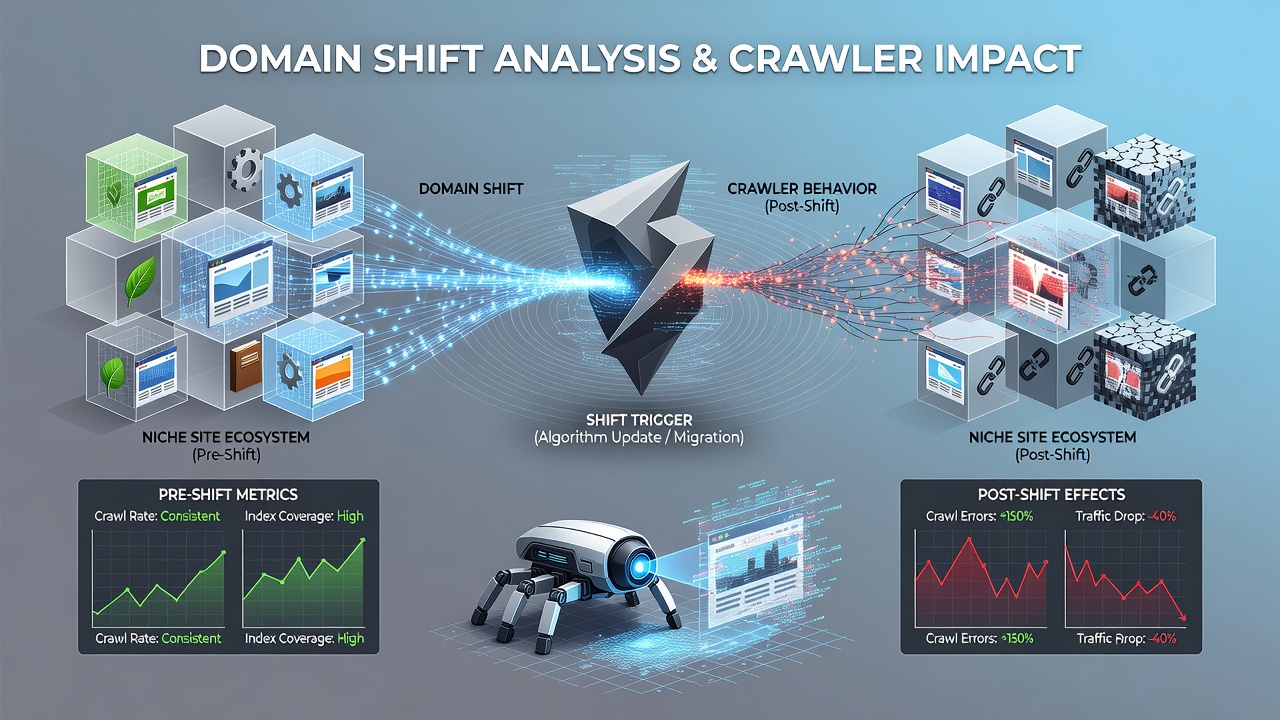
Domain shifts occur when websites undergo changes in ownership, registrar transfers, or structural redirects, and these modifications create measurable impacts on how automated crawlers navigate and index content, especially on niche sites that often operate with limited authority signals. Observers note that crawlers rely on consistent domain history, backlink profiles, and server responses to determine crawl priority, which means even minor shifts can alter visitation patterns over time. Researchers have documented cases where niche sites in specialized industries experienced temporary drops in indexing rates following such transitions, while broader sites with stronger domain equity recovered more quickly.
Understanding the Mechanics of Domain Shifts
Domain shifts typically involve registrar changes, ownership transfers, or the implementation of 301 redirects to new domains, each carrying distinct implications for crawler behavior. Data from web infrastructure monitoring shows that crawlers treat these events as signals of potential content relocation, prompting them to adjust their scheduling algorithms accordingly. Niche sites, which frequently maintain smaller link networks and narrower topical focus, tend to see more pronounced effects because crawlers allocate fewer resources to verifying changes on lower-authority domains. Those who've tracked these patterns across multiple sectors observe that the time required for crawlers to re-establish trust in a shifted domain can range from several weeks to several months depending on the site's prior crawl history and external validation signals.
How Crawlers Respond to Structural Changes
Crawlers such as those operated by major search engines evaluate domain stability through repeated visits, response codes, and consistency in content delivery, and any deviation triggers reassessment protocols. When a niche site executes a domain shift, the crawler must re-verify the relationship between old and new locations, which can delay full re-indexing of deeper pages that lack strong internal linking. Studies on web archiving and indexing behavior indicate that sites with high topical specificity suffer greater temporary visibility gaps because crawlers prioritize pages demonstrating clear continuity and established external references. What's interesting is how these adjustments compound on niche platforms, where content updates occur less frequently and external mentions are concentrated within smaller communities.
Observed Patterns in Niche Site Environments
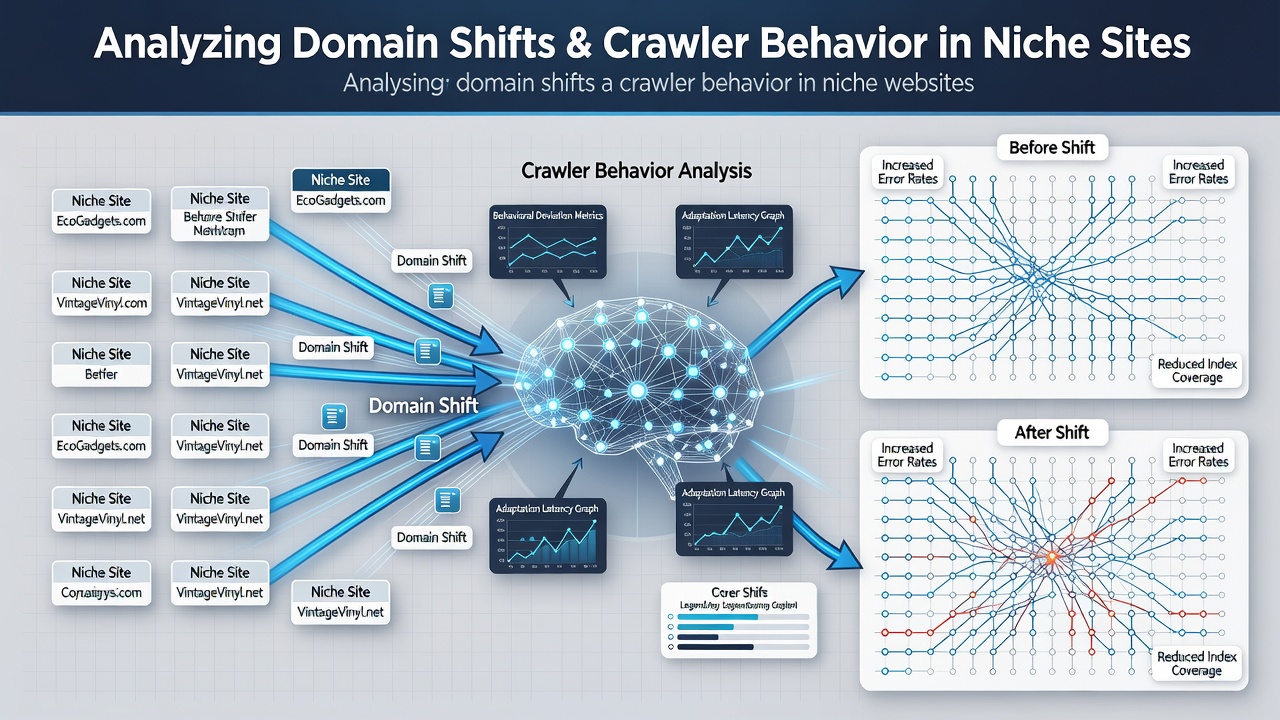
Analysis of crawl logs from various niche sectors reveals that domain shifts often result in reduced crawl frequency for several weeks post-transition, particularly when the new domain lacks immediate alignment with historical backlink data. One documented example involved a specialized hobbyist resource that underwent a registrar move and subsequently saw its core content pages receive fewer visits from automated agents until canonical tags and sitemap updates were synchronized across both domains. Experts tracking similar incidents across educational and technical niche sites note that recovery timelines shorten when site operators maintain consistent DNS configurations and submit updated sitemaps promptly through established verification channels. Yet the initial period following the shift still produces measurable dips in indexing depth, as crawlers allocate resources conservatively until trust metrics stabilize.
Data Insights from Monitoring Initiatives
Longitudinal tracking conducted by research teams at institutions such as the Internet Corporation for Assigned Names and Numbers has highlighted correlations between domain transfer events and changes in crawler visitation rates across smaller web properties. Figures from these monitoring efforts demonstrate that niche sites experience an average 30 to 60 percent reduction in crawl requests during the first month after a shift, with gradual normalization occurring as external references update. Academic analyses from European research consortia further show that sites incorporating structured data and maintaining historical URL mappings tend to retain more consistent crawler attention throughout the transition period. These patterns hold across multiple geographic regions and content categories, underscoring the universal nature of crawler adaptation mechanisms.
Recovery Factors and Technical Considerations
Site operators managing niche platforms can influence crawler re-engagement through targeted technical steps such as updating DNS records, implementing proper redirect chains, and ensuring sitemap submissions reflect the new domain structure. Research published by university groups in Canada indicates that domains with pre-existing high-quality inbound links recover indexing momentum faster because crawlers continue to follow those established pathways during the verification phase. Niche sites lacking such external reinforcement, however, often require additional interventions like enhanced internal navigation and content freshness signals to accelerate the process. Observers note that consistent server uptime and accurate robot directives play significant roles in preventing prolonged crawler hesitation after domain changes occur.
Conclusion
Domain shifts present distinct challenges for crawler behavior on niche sites, where limited authority and concentrated content focus amplify the effects of ownership or registrar transitions. Monitoring data and technical analyses confirm that crawl frequency and indexing depth can fluctuate substantially during these periods, yet structured approaches to redirects, sitemaps, and verification protocols support more stable recovery trajectories. As web infrastructure continues to evolve through 2026 and beyond, ongoing observation of these interactions remains essential for understanding how automated agents adapt to changing domain landscapes across specialized online environments.